Operational Visibility
Leadership needs a clearer view of relevant activity across processes, locations and business systems. That requires dependable information flows, not another isolated dashboard.

Technology that connects manufacturing operations with the applications, workflows and information behind them.
Manufacturers operate through a combination of production systems, enterprise applications, operational knowledge and processes developed over time. Some of these systems continue to perform essential roles. Others create limitations because they no longer connect easily, support current workflows or provide the visibility the business needs.
For manufacturing leaders, the decision is rarely whether to digitize everything. It is about identifying what should remain, where integration can close information gaps, which applications need modernization and where purpose-built software can improve how work moves across plants, departments and business functions.
Our manufacturing software development services address these decisions within the context of the existing operation. We help manufacturers build business applications, structure workflows, connect accessible systems and establish stronger data foundations without treating the current technology environment as something that must automatically be replaced.
Manufacturing technology must support the wider operation without losing sight of production continuity. These priorities reflect where leaders commonly need applications, workflows and information to work together more effectively.
Manufacturing modernisation is not a blank-sheet technology exercise. Plants and business teams already depend on applications, systems and informal processes that keep work moving, even when the overall environment is fragmented.
Replacing these elements without understanding their operational role can exchange one limitation for another. The more useful starting point is to map how people, workflows, applications and information currently connect and where that connection breaks down.
This allows manufacturers to retain systems that continue to perform, modernise applications with clear limitations and introduce new software where it serves a defined operational or business requirement. It also helps separate application engineering needs from specialist plant-floor engineering requirements.
“Manufacturing technology should improve the connection
between operations and the business without disregarding the systems that keep
production moving.”
We develop internal applications, portals, dashboards and workflow systems around the users, information and processes involved in a specific manufacturing requirement.
We design APIs and integration layers that help relevant information move between accessible enterprise applications, operational systems and business workflows where technically appropriate.
We digitise appropriate approvals, documents, reporting activities and cross-team handoffs so teams can manage responsibility and progress through a more consistent workflow.
We examine the role of an existing application before recommending change. Depending on its condition, it may be improved, integrated, extended or progressively rebuilt.
We help consolidate accessible information for dashboards, reporting, search and defined analytical or AI use cases, with attention to the quality and architecture of the underlying data.
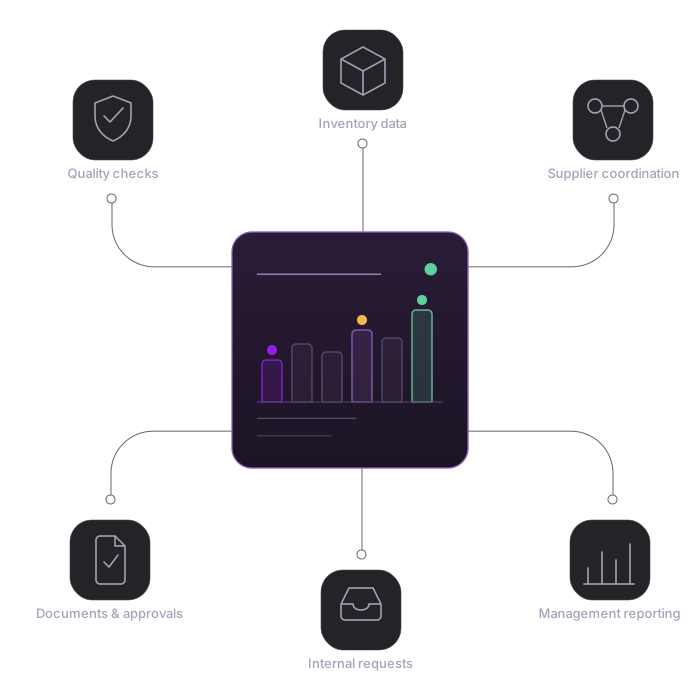
A production environment is supported by more than the systems controlling physical operations. Quality processes, inventory information, supplier coordination, documents, approvals, internal requests and management reporting all contribute to how effectively the wider manufacturing business operates.
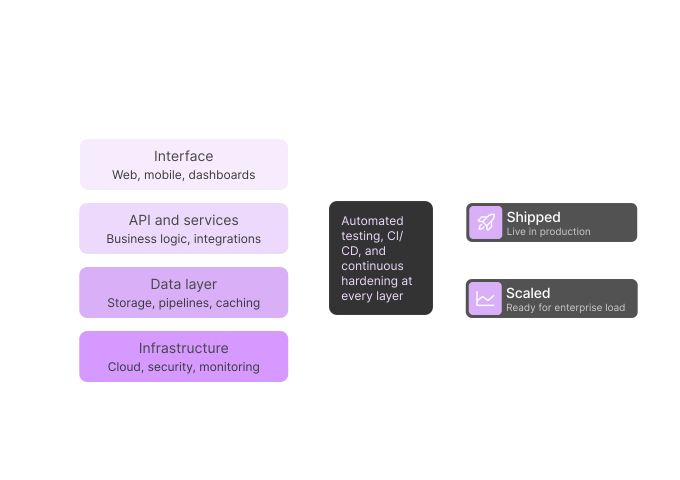
When these activities sit across disconnected applications and manual processes, people become the integration layer. We help structure the software environment around how information needs to move. Applications support defined activities, integrations connect appropriate systems, automation assists repeatable work, and reporting gives relevant teams a more usable operational view.
SumCircle combines consulting, custom software, intelligent workflows, AI and cloud capabilities to build manufacturing technology around production workflows, operational visibility, quality and changing scale.
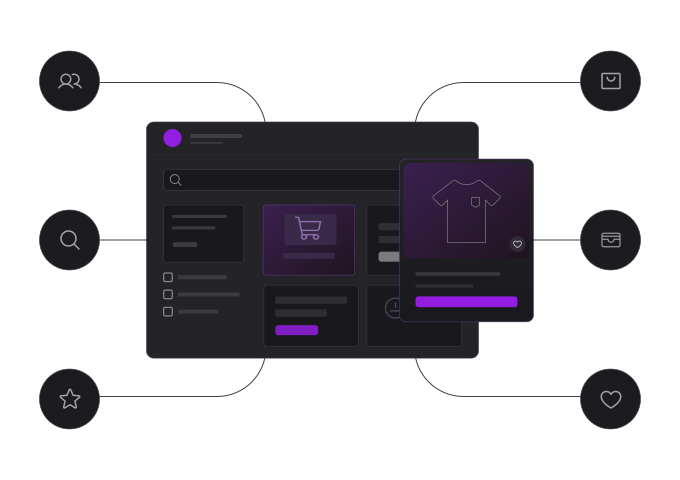
Build Commerce Around How Your Business Works
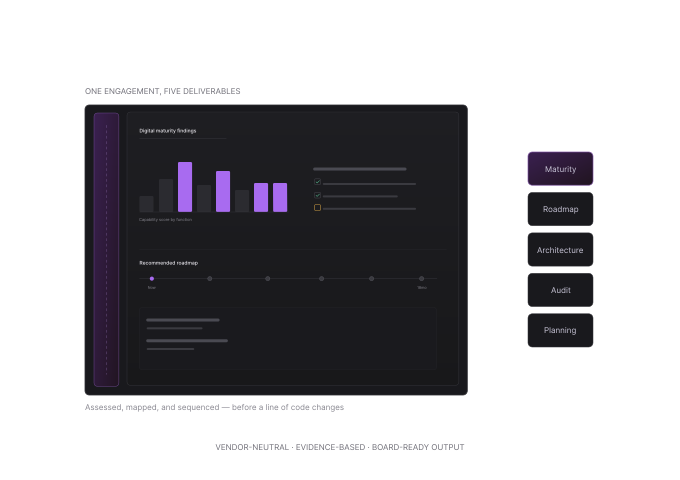
Learn MoreClearer Technology Decisions Built Around Your Business
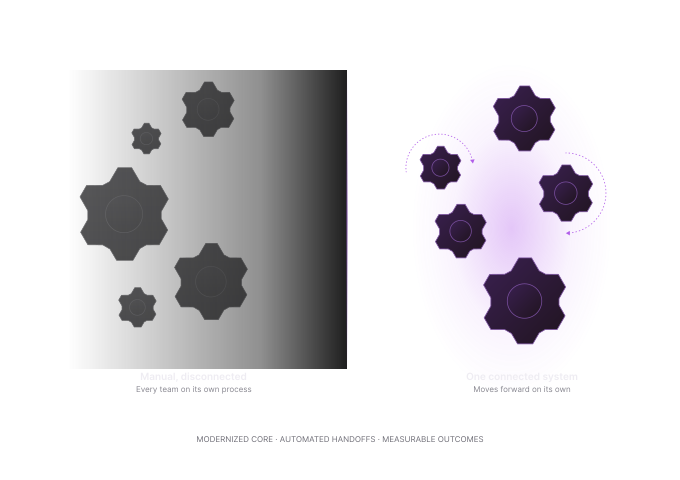
Learn MoreModernise Systems and Workflows Without Disrupting Operations
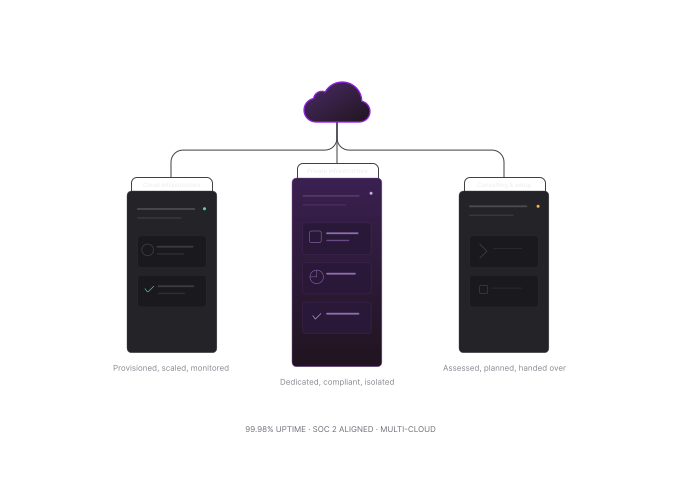
Learn MoreInfrastructure Built Around What Needs to Run
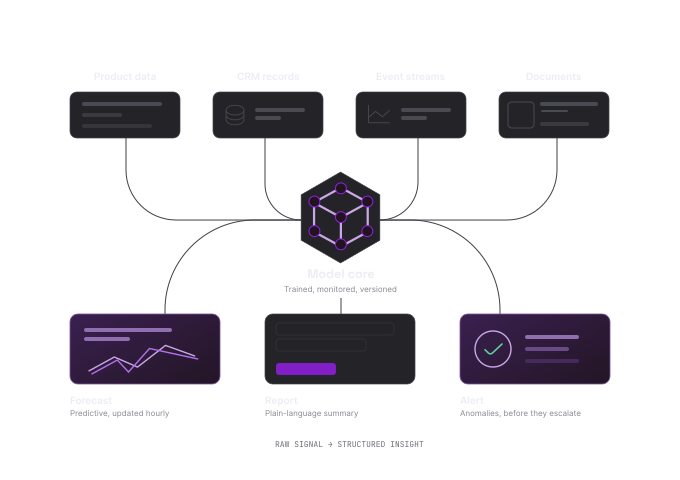
Learn MorePut Intelligence Where Work Happens
Learn MoreCustom Software Built Around Your Business
Learn More
Build Commerce Around How Your Business Works
Learn More
Clearer Technology Decisions Built Around Your Business
Learn More
Modernise Systems and Workflows Without Disrupting Operations
Learn More
Infrastructure Built Around What Needs to Run
Learn More
Put Intelligence Where Work Happens
Learn More
Custom Software Built Around Your Business
Learn MoreDiscuss your production workflows, existing systems and operational priorities with us to determine what should be connected, modernised, automated or newly developed.