Digital Maturity Assessment

A Clear View of Your Technology Readiness

A digital maturity assessment that shows how well your current technology environment supports business priorities and what needs attention before further investment.

Trusted by startups and enterprises worldwide

Technology Priorities Need a Reliable Starting Point

Organizations often know their technology environment needs to improve without having a clear view of which limitations matter most or what should change first.

Applications, workflows, integrations, data, infrastructure and internal capabilities may have developed at different rates. This can make it difficult to determine whether the business is ready for modernization, automation, AI or other technology initiatives.

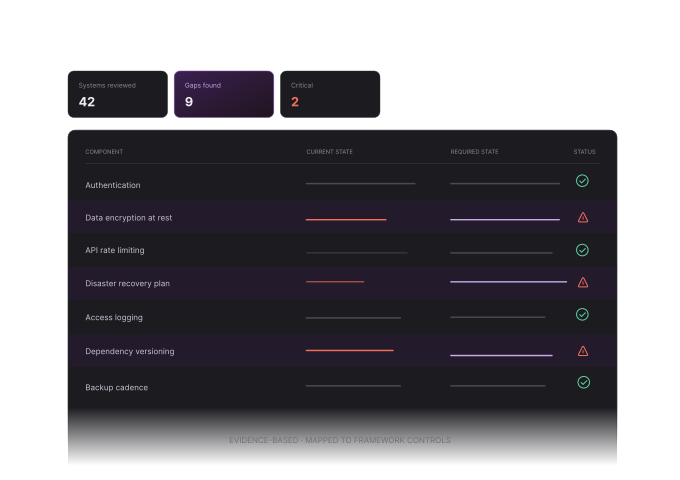
We assess the current environment against what your business needs technology to support. The outcome is a structured view of existing capabilities, relevant gaps, dependencies and priority areas that can guide the next decision.

Clarity on What Needs Attention First

Explore Our Insights

A digital maturity assessment helps your organization understand its current technology position before selecting solutions or committing to implementation. It separates immediate priorities from longer-term opportunities and provides a clearer basis for future technology decisions.

Where Digital Maturity Assessment Adds Value

Current-State View

You gain a structured understanding of how applications, workflows, data, integrations and infrastructure currently support the business.

Readiness Gaps

The assessment identifies where existing capabilities may limit modernization, automation, AI or other planned initiatives.

Dependency Visibility

Connections between systems, processes and technology decisions become clearer before implementation begins.

Priority Areas

Technology gaps are considered according to their business relevance rather than treated as equally urgent.

Investment Context

Future initiatives can be evaluated against current readiness, operational requirements and the capabilities already in place.

Next-Step Direction

The findings provide a practical basis for roadmapping, architecture, modernization or implementation planning.

How We Approach a Digital Maturity Assessment

Explore Our Insights

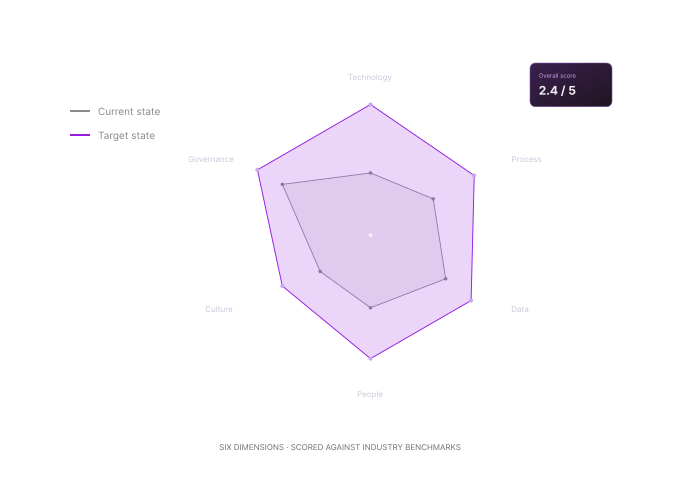
Our approach begins with understanding your business priorities and what the technology environment needs to enable. This gives the assessment a relevant business context rather than applying maturity criteria in isolation.

We then review the systems, workflows, integrations, data, infrastructure and internal capabilities influencing current performance and future readiness. Existing strengths are considered alongside gaps and dependencies.

The findings are organized into clear priority areas and recommended directions. The assessment does not assume a predetermined platform or solution and is not used to justify replacing technology that continues to provide value.

Our approach begins with understanding your business priorities and what the technology environment needs to enable. This gives the assessment a relevant business context rather than applying maturity criteria in isolation. We then review the systems, workflows, integrations, data, infrastructure and internal capabilities influencing current performance and future readiness. Existing strengths are considered alongside gaps and dependencies. The findings are organized into clear priority areas and recommended directions. The assessment does not assume a predetermined platform or solution and is not used to justify replacing technology that continues to provide value.

We examine current applications, workflows, integrations, data, infrastructure and relevant technology practices.

Existing capabilities are evaluated against the requirements the organization needs to support now and in the future.

We identify limitations, missing connections and dependencies affecting technology readiness.

Findings are considered according to business relevance, urgency and their influence on other initiatives.

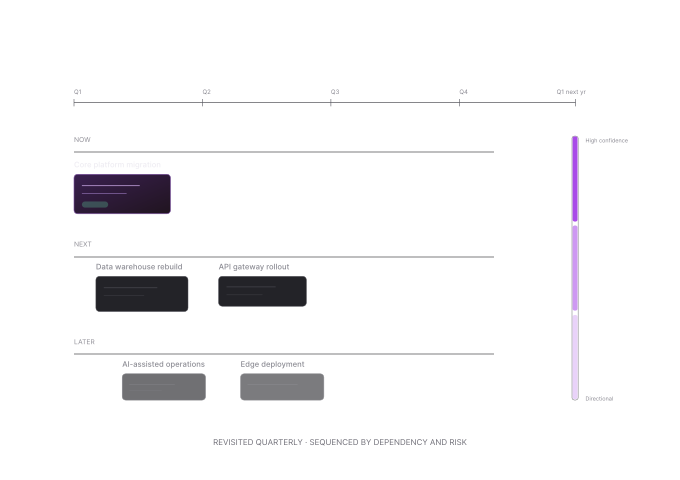
The assessment provides practical next steps for roadmapping, architecture, modernization or other justified technology decisions.
How We Approach a Digital Maturity Assessment

Digital Maturity Assessment Connects to the Wider Transformation Ecosystem

Technology Roadmapping
Systems Audit & Gap Analysis

1

/2

Technology Roadmapping

A Practical Sequence for Technology Change

Learn More

Systems Audit & Gap Analysis

A Clearer View of What Your Systems Need

Learn More

Technology Roadmapping

A Practical Sequence for Technology Change

Learn More

Systems Audit & Gap Analysis

A Clearer View of What Your Systems Need

Learn More

What a Clearer Maturity View Makes Possible

  • Better visibility across current technology capabilities.
  • Readiness gaps identified before implementation.
  • Dependencies understood more clearly.
  • Existing strengths recognized and retained.
  • Priority areas aligned with business needs.
  • Technology investments considered in context.
  • A clearer direction for what comes next.

Questions About Digital Maturity Assessment

A digital maturity assessment evaluates how well the current technology environment supports business requirements and future initiatives. It considers areas such as systems, workflows, integrations, data, infrastructure and organizational readiness.

A digital transformation assessment is useful when the organization is planning modernization, automation, AI adoption, cloud initiatives or wider technology change but needs a clearer understanding of the current environment first.

A digital readiness assessment examines whether existing technology, processes, integrations, data and internal capabilities can support planned digital initiatives. It also identifies dependencies that may need to be addressed before implementation.

A digital maturity model can provide a structured way to examine different areas of technology readiness. We use relevant assessment criteria in the context of your business rather than applying a generic score without considering operational requirements.

Technology assessment services may include reviewing current applications, workflows, integrations, data, infrastructure, technology practices and business requirements. The exact scope depends on the decisions the organization needs to make.

A digital transformation readiness assessment examines broader readiness for future digital initiatives. A technology audit focuses more specifically on existing systems, gaps, duplication, risks and technical issues within the current environment.

Specific technologies are considered only when the findings and business requirements justify them. The assessment first establishes what needs to improve before determining which technology approach may be appropriate.

No. Existing systems can remain where they continue to support the business effectively. The assessment identifies what should be retained, improved, connected, modernized or reconsidered.

The findings can inform technology roadmapping, enterprise architecture, modernization planning or implementation. The next step depends on the priorities, dependencies and readiness gaps identified.

Yes where the recommended direction aligns with our capabilities. The assessment can lead into relevant software development, integration, automation, AI, modernization or infrastructure work.

A Clearer Starting Point for Technology Change

Your technology priorities can begin with a structured understanding of what is already working, where readiness gaps exist and what should be addressed first. We will help establish the clarity needed before solutions and implementation paths are selected.

Get to Know Us

Meaningful Solution Starts
With a Conversation!