API & Systems Integration

Make Your Systems Work Together

We connect applications, platforms, and data around the information and actions your business needs to move between them.

Trusted by startups and enterprises worldwide

Connected Systems for End-to-End Workflows

Businesses often depend on multiple applications, platforms, and data sources. The challenge begins when information cannot move appropriately between them, workflows break across system boundaries, or teams must repeatedly transfer data by hand.

SumCircle provides API integration services that connect systems around a defined business requirement. We first establish what information or action needs to move, between which systems, under what conditions, and for what operational purpose.

Our broader integration services account for existing applications, newer platforms, APIs, interfaces, business rules, data, and technical constraints. The objective is not simply to connect endpoints. It is to create a more coherent technology environment in which systems can support the workflows that depend on them.

API Integration Defined by Operational Requirements

Explore Our Insights

Systems integration creates value when it improves how information, actions, and responsibilities move across the business. It can support connected workflows, reduce repeated data handling, enable new applications to work with the existing environment, and establish the foundations required for wider automation or modernization.

Our approach to API integration begins with the relationship between systems and the business process they support. We then determine the interfaces, APIs, rules, and integration structure required to connect them appropriately.

This keeps integration focused on operational purpose rather than creating technical connections that add another layer of complexity.

Where API & Systems Integration Adds Value

Connected Workflows

Allow processes that span multiple applications to move with greater continuity across the relevant systems and teams.

Reduced Manual Handoffs

Limit repeated data entry and unnecessary information transfer where systems can exchange what the workflow requires.

Consistent Information Flow

Support more coherent movement of required data and actions between applications, platforms, and business functions.

Legacy Continuity

Connect suitable legacy systems with newer applications without assuming that the entire existing environment must be replaced.

Automation Readiness

Create the system connections required for suitable workflows to support automation, data use, or intelligent capabilities.

Adaptable Integration

Structure connections so they can be maintained and evolved as systems, interfaces, and business requirements change.

From System Dependency to Connected Workflows

Explore Our Insights

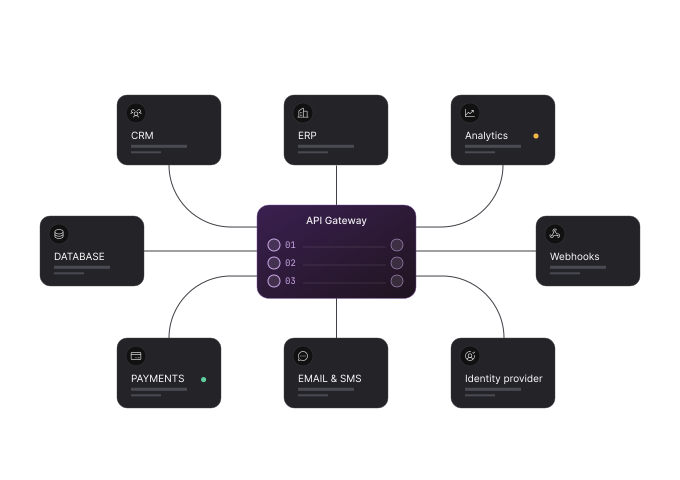
Effective systems integration begins with understanding the business relationship between the applications involved. We establish what needs to move, why it needs to move, which rules apply, and how the integration affects the wider workflow.

We then define the appropriate APIs, interfaces, integration logic, and validation requirements. This connects technical implementation with operational purpose from the initial assessment through development, testing, deployment, and continued evolution.

We establish which systems need to interact, what information or actions must move between them, and what the business process requires.

We examine existing applications, interfaces, data sources, workflows, constraints, and dependencies before defining the connection.

We define the APIs, interfaces, data movement, business rules, and integration responsibilities required across the systems.

We build or configure the required connections and align them with the applications, platforms, and workflows they need to support.

We validate the integration against its intended system behaviour and workflow, then adapt it as applications and requirements change.
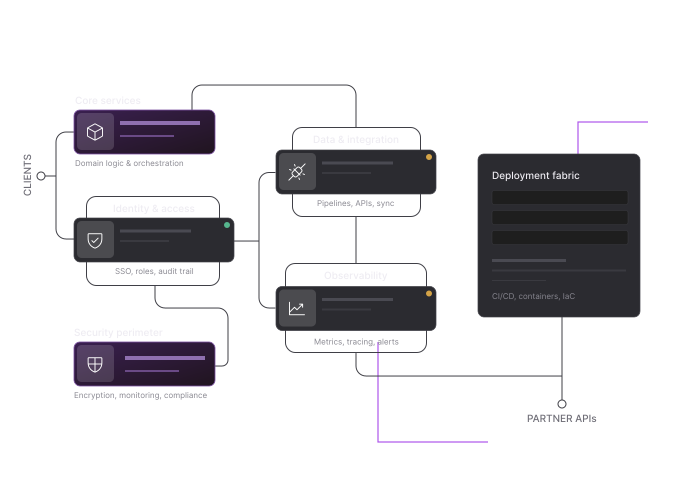
From System Dependency to Connected Workflows

API & Systems Integration Connects to the Wider Transformation Ecosystem

Enterprise Software Development
Web Application Development
Mobile Application Development

1

/3

Enterprise Software Development

Enterprise Software Built Around Your Operations

Learn More

Web Application Development

Web Applications Built Around Real User Tasks

Learn More

Mobile Application Development

Mobile Applications Designed Around Real-World Use

Learn More

Enterprise Software Development

Enterprise Software Built Around Your Operations

Learn More

Web Application Development

Web Applications Built Around Real User Tasks

Learn More

Mobile Application Development

Mobile Applications Designed Around Real-World Use

Learn More

What Purposeful Systems Integration Enables

  • Better continuity across workflows involving multiple systems
  • More appropriate exchange of information between applications and platforms
  • Less dependence on manually transferring data between systems
  • Stronger connections between legacy and modern applications
  • A connected foundation for suitable automation and data initiatives
  • Better support for new applications entering the existing technology environment
  • Clearer responsibilities across APIs, interfaces, and integration layers
  • Greater flexibility to evolve system relationships as business requirements change

API & Systems Integration FAQs

API and systems integration connects applications, platforms, and data sources so they can exchange required information or actions and support workflows that extend across multiple systems.

Integration may be required when information is manually transferred between platforms, workflows span multiple applications, duplicate data entry exists, a new application must connect with existing systems, or legacy and modern technologies need to work together.

Our API integration services can support application integration, platform integration, data integration, workflow integration, API creation and consumption, and connections between suitable legacy and modern systems.

Where the application and requirement support it, our API development services can define and build APIs around the information or functionality that other authorised applications need to access.

API development involves creating an interface through which defined data or functionality can be accessed. API integration involves using an available interface to connect applications and support the required exchange between them.

Yes, where the existing systems provide suitable interfaces or other appropriate integration options. We first assess the applications, dependencies, data, business rules, and workflow before defining the approach.

In some cases, yes. The appropriate approach depends on the legacy system’s condition, available interfaces, data structure, constraints, and role within the business. These factors must be assessed before recommending integration.

Integration can provide the connections that suitable automated workflows require. However, the workflow, exceptions, data, system responsibilities, and need for human judgment should be understood before automation is introduced.

We define clear responsibilities for each API and interface, account for business rules and dependencies, validate the integration against its intended workflow, and structure it with maintainability and change in mind.

As an API integration company, SumCircle approaches integration through the business workflow and the relationship between systems. We focus on making the wider technology environment work more coherently rather than merely connecting technical endpoints.

Let’s Keep Data Moving Across Your Business

When applications, platforms, and data need to work together, we help define and build the connections around the information, actions, rules, and workflows your business needs them to support.

Get to Know Us

Meaningful Solution Starts
With a Conversation!