Systems Audit & Gap Analysis

A Clearer View of What Your Systems Need

A software audit that examines existing systems, workflows, integrations and dependencies before your organization decides what should change.

Trusted by startups and enterprises worldwide

See What Your Systems Support And Where They Struggle

Technology environments often develop gradually as new applications, integrations and processes are introduced around changing business requirements.

Over time, this can create duplicated functionality, incomplete connections and manual work between systems. The visible issue may sit within one application while the underlying gap exists elsewhere in the workflow or architecture.

We examine how the current environment operates before recommending additional technology or replacement. The audit provides a structured view of what works, what is disconnected and where genuine gaps require attention.

Find the Gaps Affecting Performance, Risk and Growth

Explore Our Insights

A systems audit helps your organization understand the current environment before investing in new platforms or modernization. It distinguishes genuine technology gaps from workflow, integration and configuration issues that may require a different response.

Where Systems Audit & Gap Analysis Adds Value

System Visibility

You gain a clearer view of the applications, workflows and dependencies shaping the current technology environment.

Workflow Gaps

Manual handovers, repeated activities and breaks between systems become easier to identify.

Integration Breaks

Incomplete or ineffective system connections are examined in the context of the processes they support.

Duplicate Capability

Overlapping applications and functionality can be evaluated before more technology is introduced.

Risk Context

Technology risks are considered alongside their operational relevance, dependencies and potential business impact.

Priority Findings

Audit findings are organized according to what requires attention first and what can remain unchanged.

Examining Systems in Their Operational Context

Explore Our Insights

Our approach begins with understanding the systems your organization uses and the business processes they support. We examine applications in the context of workflows, integrations and operational dependencies rather than reviewing them as isolated tools.

The audit identifies what continues to work, where unnecessary duplication exists and which gaps affect business operations or future technology plans.

Findings are prioritized according to their relevance and impact. The recommended direction may involve retaining, improving, connecting, modernizing or replacing technology depending on what the evidence supports.A systems audit helps your organization understand the current environment before investing in new platforms or modernization. It distinguishes genuine technology gaps from workflow, integration and configuration issues that may require a different response.

We establish which systems, applications and technology components currently support business operations.

We examine the workflows, handovers and activities that depend on multiple applications or manual intervention.

Examining Integrations and Dependencies

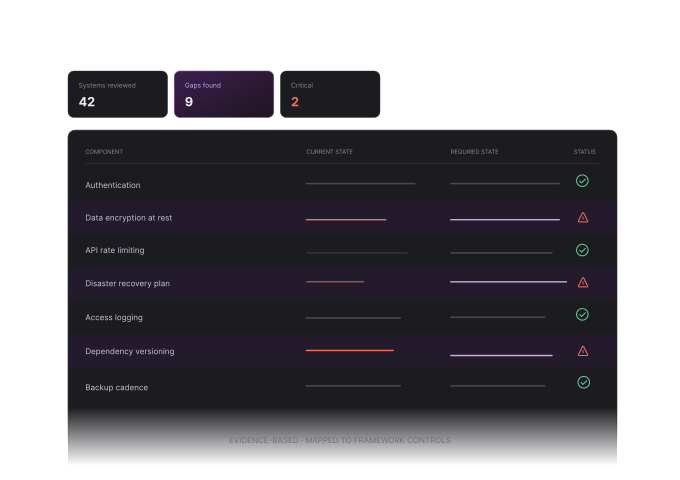
Missing capability, repeated functionality and disconnected processes are documented in the context of business requirements.

Assessing Risk and Business Impact

Priority areas are organized into practical recommendations covering what should remain, improve, connect, modernize or change.
Examining Systems in Their Operational Context

Systems Audit & Gap Analysis Connects to the Wider Transformation Ecosystem

Digital Maturity Assessment
Technology Roadmapping

1

/2

Digital Maturity Assessment

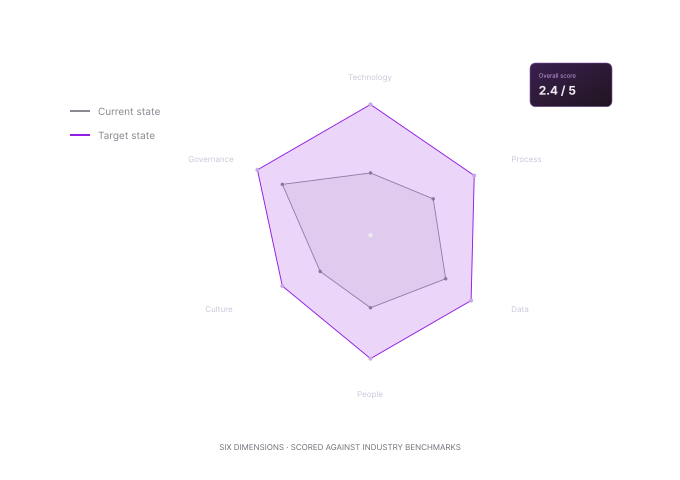
A Clear View of Your Technology Readiness

Learn More

Technology Roadmapping

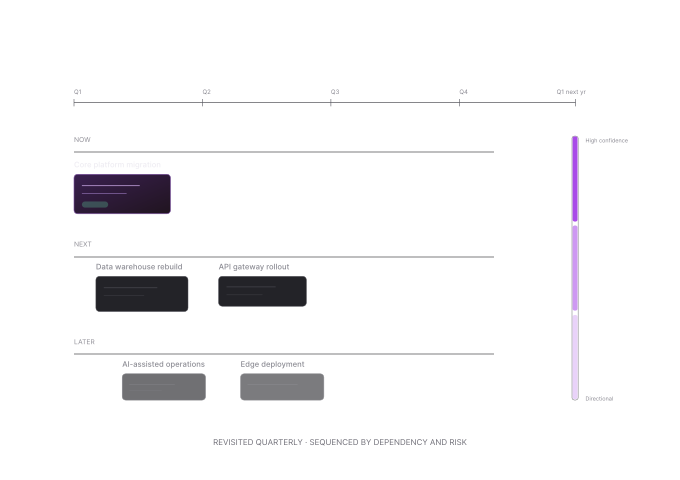
A Practical Sequence for Technology Change

Learn More

Digital Maturity Assessment

A Clear View of Your Technology Readiness

Learn More

Technology Roadmapping

A Practical Sequence for Technology Change

Learn More

What a Clearer Systems View Makes Possible

  • Better visibility across existing systems.
  • Workflow gaps identified more clearly.
  • Integration issues understood in context.
  • Duplicate functionality recognized earlier.
  • Technology risks evaluated by relevance.
  • Existing capabilities retained where appropriate.
  • Priority areas defined before investment.

Questions About Systems Audit & Gap Analysis

A software audit examines the applications, workflows, integrations and dependencies within the current technology environment. It helps identify what is working, what is duplicated and where genuine gaps require attention.

An IT systems audit may include reviewing existing applications, system usage, workflows, integrations, dependencies, risks and areas of duplicated functionality. The scope depends on the environment and the decisions the organization needs to make.

Technology audit services are useful before modernization, integration, automation or a significant new software investment. They provide greater clarity on the current environment before a solution is selected.

A software architecture review considers how application components, services, integrations, data and infrastructure work together. It can identify structural limitations and dependencies affecting maintainability or future development.

A technology gap analysis compares what the current environment can support with what the business needs technology to enable. It identifies missing capability, disconnected processes and limitations that may require attention.

An application portfolio assessment provides a structured view of the applications in use, the roles they serve and where overlap, dependency or modernization considerations may exist.

No. A technology risk assessment may consider security alongside maintainability, dependency, integration, continuity and operational risks relevant to the environment.

A software quality audit may examine relevant aspects of application structure, maintainability, reliability, documentation and alignment with intended requirements. The exact scope depends on the software and purpose of the review.

No. Existing systems should remain where they continue to provide value. The audit may recommend improving configuration, connecting systems or changing workflows instead of replacing the technology.

The findings can inform technology roadmapping, architecture decisions, modernization planning or targeted implementation. The next step depends on the priority gaps and dependencies identified.

Ready to See What Your Systems Can Support Next?

Your next technology decision can begin with a structured view of what is already working, where gaps exist and which issues require attention first. We will help establish the evidence needed before further investment.

Get to Know Us

Meaningful Solution Starts
With a Conversation!