Shipment Coordination
Shipment activity involves status changes, documents, responsibilities and exceptions. Technology should organise these elements so teams can coordinate work through a consistent operational process.

Technology that keeps orders, shipments, teams and operational information moving together.
A logistics operation may involve orders, shipments,
documents, internal teams, customers, partners and several systems exchanging
information. Physical movement depends on each of these participants working
from accurate and accessible operational context.
As operations scale, coordination becomes harder when
shipment information is distributed across applications, spreadsheets and
communication channels. Teams may spend more time locating updates and carrying
information between systems than managing the activity that requires their
attention.
Our logistics software development services help
organisations structure this operating complexity through custom platforms,
connected workflows, operational applications and appropriate integrations. We
begin with how the logistics model works before determining what should be
centralised, automated, integrated or newly developed.
Connected logistics depends on more than tracking individual activities. Orders, shipments, teams and systems need to exchange information through workflows that provide usable visibility and support increasing operational complexity.
Logistics depends on physical activity and information
movement occurring together. A shipment can continue moving while the
operational picture around it becomes fragmented across people, documents,
applications and communication channels.
Adding another system does not automatically resolve that
fragmentation. Technology creates greater value when it reflects how orders,
shipments, roles, updates and exceptions move through the operation and
connects with useful systems already in place.
We therefore begin with the logistics model and the
workflows that support it. This provides a clearer basis for deciding where
information should be centralised, which activities can be automated and
whether an existing platform, custom application or integrated architecture
best fits the requirement.
“Logistics technology should make the operation easier to
coordinate, not become another system that teams have to coordinate around.”
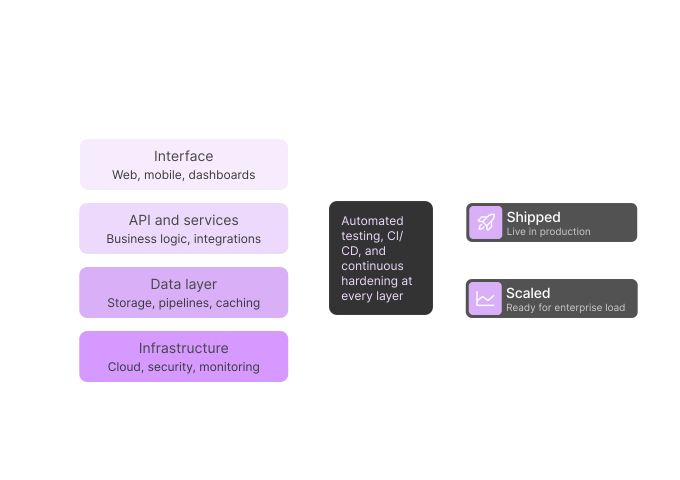
We develop custom platforms and operational applications around how orders, shipments, users, documents and exceptions move through the organisation.
We structure dashboards and application views that make relevant shipment, order and workflow information easier for authorised teams to access and use.
We design APIs and integration layers that allow suitable business applications, partner systems and logistics workflows to exchange information where technical access permits.
We automate appropriate status handling, notifications, document movement and workflow steps while keeping operational judgement with the people responsible for it.
We assess existing logistics applications and architecture before determining what should be extended, integrated, progressively modernised or rebuilt around changing requirements.
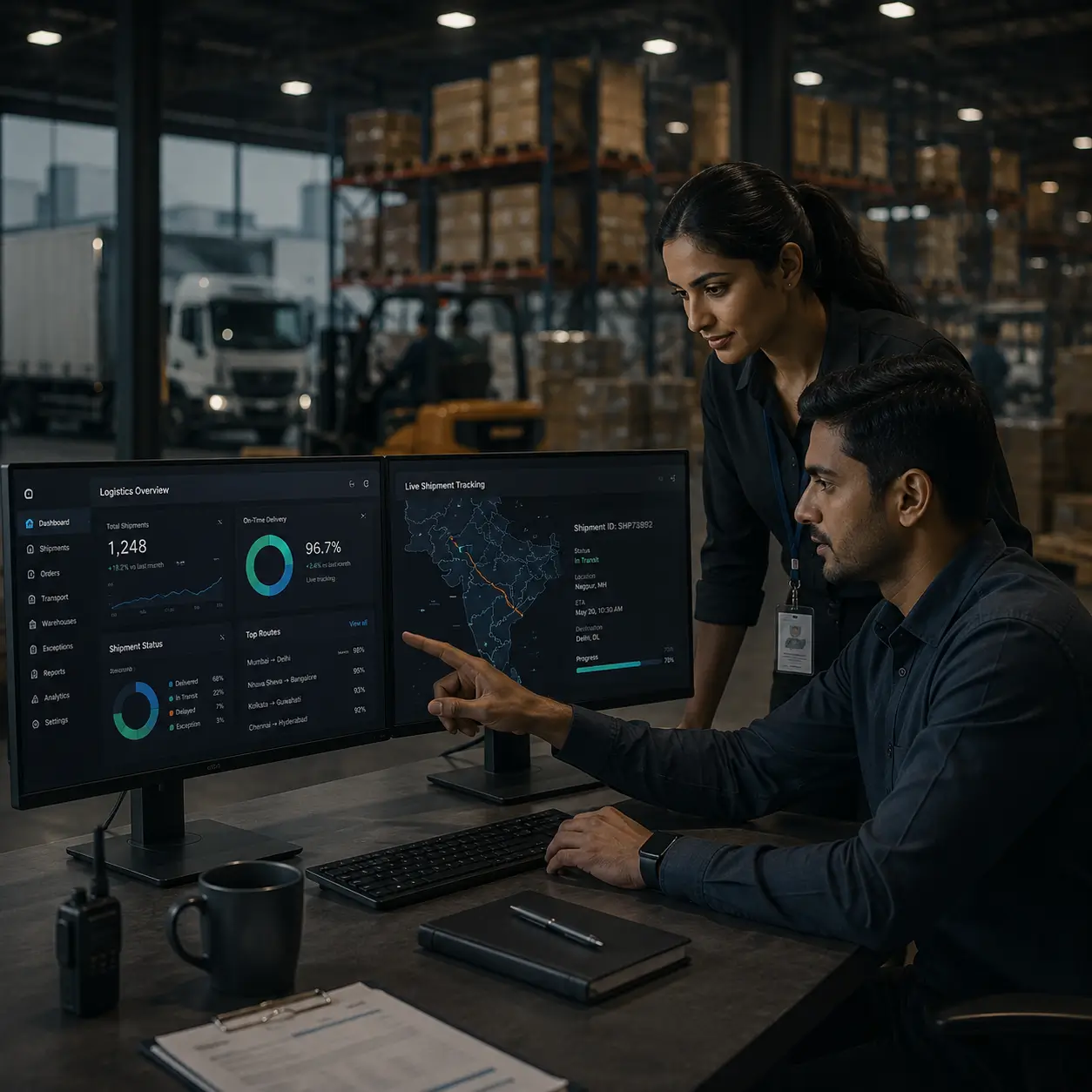
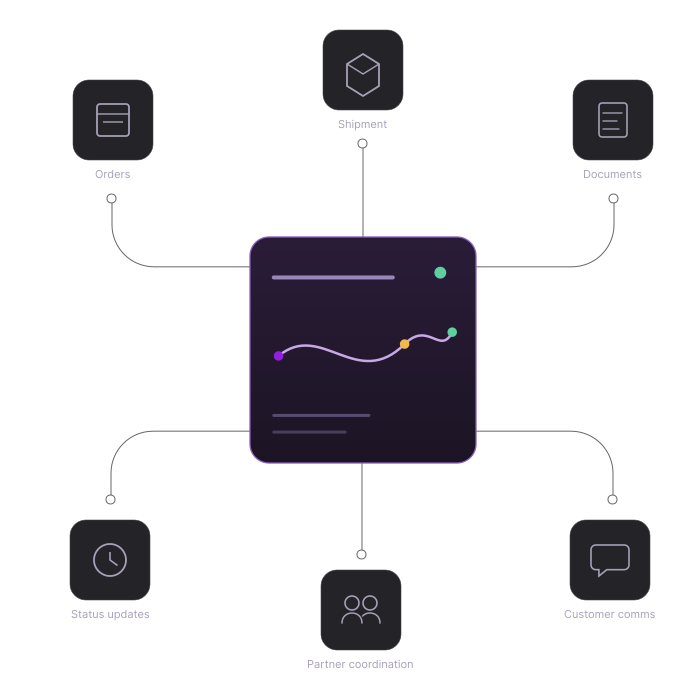
Logistics work often moves through a sequence of orders,
shipment creation, documents, status updates, partner coordination, customer
communication and operational reporting. When each stage depends on a separate
tool or manual follow-up, people become responsible for keeping the entire
process connected.
We structure applications and workflows around how that
information needs to move. User roles organise access, integrations connect
appropriate systems, automation supports repeatable coordination, and dashboards
provide a clearer view of relevant activity. The result is a technology
environment shaped around the logistics operation rather than a disconnected
collection of features.
SumCircle combines consulting, custom software, intelligent workflows, AI and cloud capabilities to build logistics technology around orders, shipments, operational visibility and changing scale.
Build Commerce Around How Your Business Works
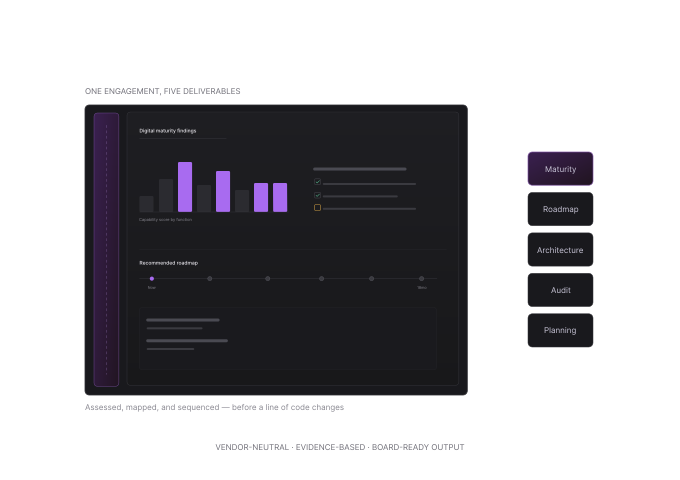
Learn MoreClearer Technology Decisions Built Around Your Business
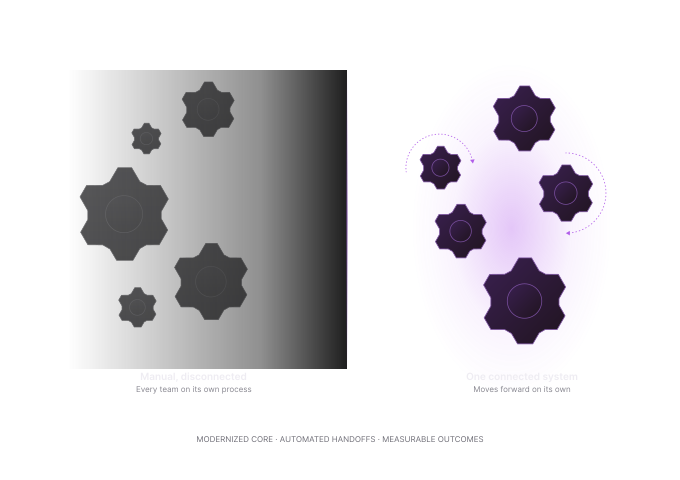
Learn MoreModernise Systems and Workflows Without Disrupting Operations
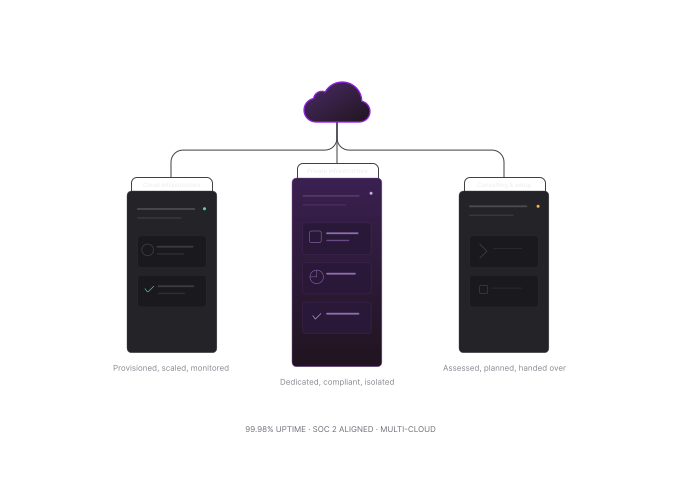
Learn MoreInfrastructure Built Around What Needs to Run
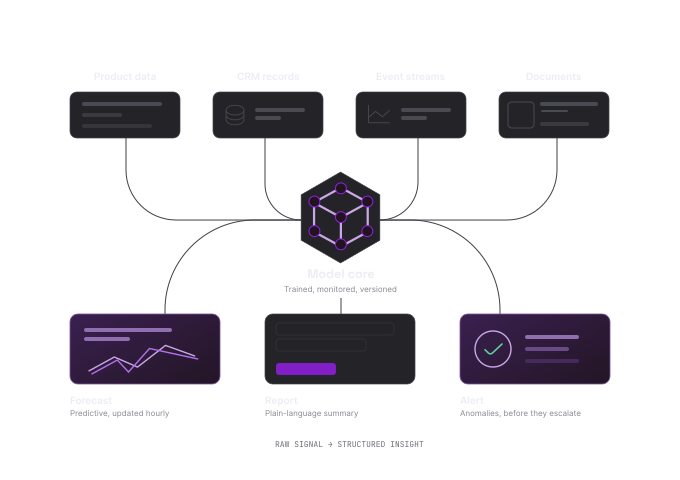
Learn MorePut Intelligence Where Work Happens
Learn MoreCustom Software Built Around Your Business
Learn More
Build Commerce Around How Your Business Works
Learn More
Clearer Technology Decisions Built Around Your Business
Learn More
Modernise Systems and Workflows Without Disrupting Operations
Learn More
Infrastructure Built Around What Needs to Run
Learn More
Put Intelligence Where Work Happens
Learn More
Custom Software Built Around Your Business
Learn More
A custom logistics management solution built to connect orders, consignments, warehouse activity, shipment visibility and delivery verification across one operating flow.
Discuss your logistics workflows, existing applications and coordination requirements with us to determine what should be centralised, connected, automated or newly built.