Thank You!
A confirmation latter has been sent to your email. Check your inbox.

 Admin
Admin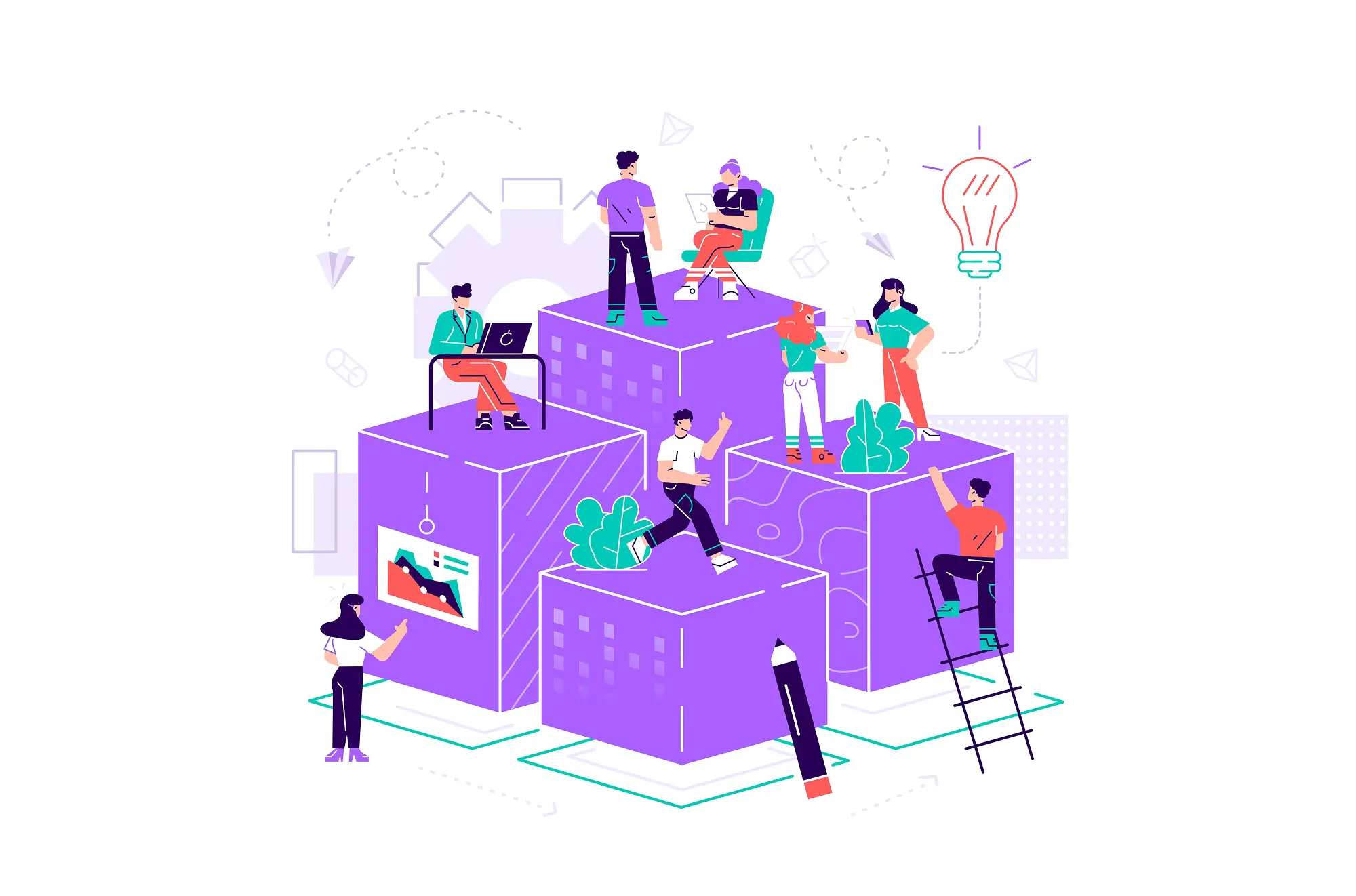
“Fix the roof while the sun is shining” sounds sensible until you realise most core systems are only fixed when it is already raining. By the time organisations seriously consider modernising their core platforms, those systems are deeply entangled with daily operations, revenue flows, compliance reporting, and customer experience. They are no longer just technology assets; they are institutional memory encoded in software. This is why core modernisation creates anxiety at the leadership level not because of technology, but because of operational risk. Core systems run finance, reconciliation, billing, compliance workflows, and regulatory reporting in real time. Any instability here does not remain an IT blip; it cascades into customers, partners, regulators, and financial performance. At the same time, standing still is no longer safe. Global research shows that organisations delaying core modernisation face rising operational costs, slower innovation cycles, and declining responsiveness to market and regulatory change. Legacy technical debt continues to accumulate, and maintaining outdated systems can cost enterprises hundreds of millions annually in inefficiencies and lost opportunity. Finding the balance between risk mitigation and architectural evolution is therefore the real challenge: how to modernise without breaking what already works.
The first step is architectural decoupling. Instead of directly modifying the core, leading organisations isolate it using APIs, abstraction layers, and event-driven architectures. This reduces dependencies and allows innovation to happen around the core without destabilising it.
System-centric thinking keeps organisations locked in legacy patterns. High-performing enterprises instead modernise by business capabilities like billing, reconciliation, compliance, reporting rather than replacing entire systems at once.
This approach reduces scope, delivers measurable outcomes early, and minimises operational risk.
Parallel systems are unavoidable during transformation.
Without this governance, dual systems create reconciliation issues, confusion, and cost overruns.
Core modernisation success should be measured by operational metrics, not delivery checklists.
Maintaining outdated systems is far from cost-efficient.
Enterprises report that legacy technology significantly increases operational expenses and reduces productivity.
These improvements stem from automation-ready architectures, continuous delivery pipelines, and real-time data capabilities.
Core systems are fundamentally different from other parts of the tech stack. A failed mobile app launch frustrates customers. A broken core system halts revenue recognition, disrupts settlements, and triggers compliance alerts. More than half of organisations still rely on systems that are over 20 years old, many written in legacy languages such as COBOL, yet they continue to process mission-critical transactions. These systems were designed for stability, not change, which makes modernisation inherently risky. Technical debt in such environments is not just about outdated code. It represents decades of: Business rules Regulatory logic Operational workflows Institutional knowledge A “big-bang” replacement compresses this complexity into a single transition event significantly increasing the risk of disruption. An evolutionary, controlled approach is therefore not just safer, it is necessary.
Many modernization projects fail not because of poor technology decisions, but because internal teams are expected to manage both business continuity and transformation at the same time. Legacy modernization demands specialists who understand migration strategy, cloud architecture, system dependencies, and risk management. Relying only on permanent hiring often slows execution, while overburdening internal teams creates operational friction. This is where resource augmentation supports modernization more effectively. Instead of replacing teams, it strengthens them with targeted expertise allowing businesses to modernize without disrupting ongoing operations. A strong workforce strategy ensures modernization is not treated as a one-time IT project, but as a scalable business decision supported by the right delivery model. To understand how resource augmentation helps businesses scale faster while maintaining flexibility, read our complete Resource Augmentation Workforce Strategy guide.
Modernising core systems without disrupting daily operations is not a technical gamble, it is a strategic discipline. Organisations that decouple architecture, sequence capability upgrades, invest in governance, and leverage the right talent consistently outperform those that delay or take high-risk approaches. The key lies in separating pace from risk. Controlled, phased execution ensures operational stability while enabling long-term transformation.
This is also where team augmentation becomes a strategic lever rather than just a staffing solution. By bringing in specialised talent aligned to specific phases of modernisation, organisations can accelerate execution without overburdening internal teams or compromising ongoing operations. It allows businesses to access niche expertise exactly when needed, whether for legacy system migration, integration, or architecture redesign, without long-term overheads. More importantly, it creates flexibility, enabling companies to scale capabilities up or down based on project complexity and timelines. In many cases, this model also reduces execution risk by ensuring that critical transitions are handled by experienced professionals who have navigated similar transformations before. In 2026 and beyond, organisations that master this balance will not only modernise their systems but build lasting resilience, agility, and competitive strength.
Our expertise spans a diverse and proven tech stack, carefully employed to build solutions that meet evolving business needs with precision and reliability.
BACK END







FRONT END










CONTAINERIZATION

AUTOMATION



CI/CD TOOLS




MONITORING
















PROGRAMMING LANGUAGES



FRAMEWORKS







LIBRARIES



CLOUD SERVICES